I’m a new Mom, what should I eat?
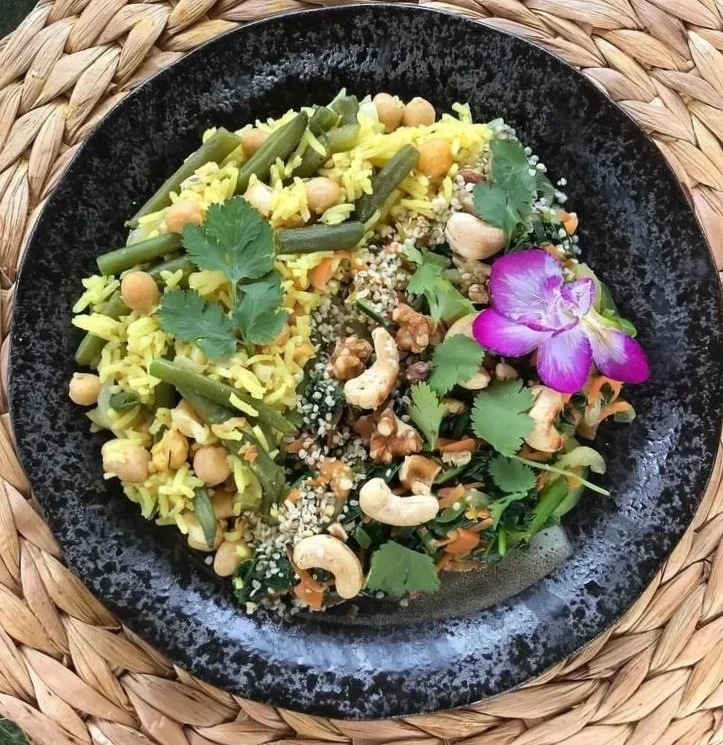
Becoming a new mom is a beautiful journey, but it can also be overwhelming. Wow, I just said that in my other blog post.. but it’s because it’s true. With the arrival of a baby, many new mothers find themselves juggling multiple responsibilities. One of the most important aspects of this transition is nutrition. Proper nourishment is essential for recovery, energy, and overall vibrancy. Ayurvedic principles can provide valuable guidance in choosing foods that support new moms during this critical time.
In this blog post, we will explore the Ayurvedic approach to nutrition for new mothers. We will discuss the importance of specific foods, meal ideas, and practical tips to help new moms thrive.
Understanding Ayurveda
Ayurveda is an ancient system of medicine that originated in India over 5,000 years ago. It emphasizes balance in the body, mind, and spirit. According to Ayurveda, each person has a unique constitution, or "dosha," which influences their physical and emotional health. The three primary doshas are Vata, Pitta, and Kapha.
For new moms, Ayurveda offers insights into how to nourish the body after childbirth. The postpartum period is considered a time of healing and recovery. Ayurvedic practices focus on restoring balance and promoting longeterm vitality. Regardless of your pre-delivery dosha, usually moms will experience an imbalance of Vata dosha after birth. This can have traits of flightyness, busy-ness, stress, anxiety, worry, dryness, and constipation (definitely not a condition we want when the perineum is already sore!). This is balanced by making choices that nourish slowness, heaviness, and warmth.
The Importance of Nutrition for New Moms
Nutrition plays a crucial role in postpartum recovery. After childbirth, a woman's body undergoes significant changes and continued nutrient loss. Proper nourishment can help:
Support healing: Nutrient-rich foods aid in tissue repair and recovery to give you a solid start.
Boost energy levels: New moms often experience fatigue. Balanced meals can provide sustained energy with protein, carbs and healthy fats. This isn’t the time for a diet !
Enhance milk production: For breastfeeding mothers, certain foods can help increase milk supply- even just eating “enough” is important. Most mommas don’t enough for the calorie demands of their body at this time.
Stabilize mood: Nutritional choices can impact emotional well-being, helping to reduce postpartum blues and ground the chaotic nervous system. There are food and drink choices that can alternatively enhance the anxiety, irritability, and stress as well.
Key Ayurvedic Foods for New Moms
In Ayurveda, food is viewed as medicine. Here are some key foods that can support new moms:
Ghee
Ghee, or clarified butter, is a staple in Ayurvedic cooking. It is rich in healthy fats and aids in smoothing digestion. Ghee can help nourish the body and promote healing deep in the tissues that are undergoing significant repair during postpartum.
How to use it: Add ghee to cooked vegetables, grains, oatmeal, soups or use it for sautéing. A spoonful at every meal is great for adding some heaviness and oiliness which counteracts the abrasiveness of dry, rough Vata.
Whole Grains
Whole grains like basmati rice, quinoa, and oats provide essential carbohydrates for energy. They are also rich in fiber, which can help with digestion.
How to use it: Prepare a warm bowl of oatmeal topped with some milk (raw dairy, cashew milk, oat milk...) and stewed fruits with cinnamon for breakfast. Add some ghee to top it off!
Stewed Fruits and Vegetables
Fruits and vegetables are packed with vitamins and minerals. They help boost the immune system and provide hydration and when they're stewed they're easier to digest which helps boost digestive fire. Sweet potatoes are excellent for boosting milk supply and are a very grounding vegetable for the flighty Vata energy. Dates are also a very nourishing snack.
How to use it: Incorporate a variety of colorful vegetables in soups and stews or steam/roast whole sweet potatoes and slather with butter or ghee for a nice snack. Dates can be opened and stuffed with ghee + cinnamon or some nut butter of choice as a nice in between meal snack. If you'r dates are hard, soak them for a few minutes in hot water, this will be even easier on your digestion.
Spices
Ayurvedic cooking often includes spices like turmeric, ginger, and cumin, fennel, coriander, cinnamon, and pepper. These spices have anti-inflammatory properties and can aid digestion by adding heat to the diminished digestive fire. We do want to avoid too much “hot pepper” though, this can be inflammatory during this time.
How to use it: Add any of these to soups or cooked meals for an extra boost. If able, warm them in the pan with some ghee or oil first. This toasting helps wake up the spices and allow the nutrients to be more bio-available.
Legumes
Legumes such as lentils and chickpeas are excellent sources of protein and fiber. They help keep you full and provide essential nutrients. Be careful in the beginning of postpartum, because sometimes these can be heavy choices on a slower gut. Split Mung beans (moong dal- tiny yellow lentils) are a better choice for the beginning as they digest much easier. Whole green mung beans are also delish in soups, just soak them in water for several hours to aid with less gassy digestion.
How to use it: Make a hearty lentil or moong dal soup- make sure to add nice spices and ghee! This kind of meal is also excellent for breakfast if you just don’t know what to have.
Meal Ideas for New Moms
Creating nourishing meals doesn't have to be complicated. Here are some simple meal ideas that incorporate Ayurvedic principles:
Breakfast
Warm Oatmeal: Cook oats with milk or water, and top with ghee, honey/maple syrup, and warm seasonal fruits (apples, pears, prunes..).
Kitchari: Stewed rice and split mung beans for a stewy warm, easily digestible meal ( at any time of day). Can add different spices and veggies for sweet or savory. Easy to cook in an instapot!
Lunch
Quinoa Salad: Mix cooked quinoa with diced, cooked vegetables and a dressing of olive or sesame oil and lemon juice or tahini ( good fats!).
Vegetable Khichdi: A comforting dish made with rice, lentils, and spices. It’s easy to digest and nourishing. Load up on the veggies- zucchini, carrots, pumpkin, squash, asparagus, spinach and kale are great options dense with vitamins. Check out your local CSA for minerally supercharged veg.
Dinner
Mung Bean Soup: A light soup made with mung beans, turmeric, and ginger. Serve with whole grain bread and lots of ghee.
Stir-Fried Vegetables: Sauté seasonal vegetables in panchakola ghee with spices. Serve over fluffy basmati rice.
Remember, whatever you’re eating, try to focus your energy on actually “eating”. Sit down, enjoy your food and chew slowly if you can. When we eat on the go, distractedly, rushed, or while having difficult conversations (we prioritize processing these emotions instead of our food)- our body has trouble assimilating our food like it should. We may end up bloated or constipated while simultaneously skipping pleasure (let your mouth bliss out!).
Practical Tips for New Moms
In addition to meal ideas, here are some practical tips to help new moms maintain a nourishing diet:
Plan Ahead
Meal planning can save time and reduce stress. Prepare meals in advance and store them in the fridge or freezer (Great to do while you're still pregnant!). This way, you have healthy options ready when you need them. You can even plan a meal prep day with some friends while pregnant so they can stock your freezer. A meal train is also very helpful for your first several weeks postpartum- it's a great excuse for friends to visit you and your baby postpartum while ALSO bringing you food as their ticket in the door. However, you still make the call if you feel up to visiting- it's perfectly ok to just have them leave food at the door.
Stay Hydrated
Drinking enough water is essential, especially for breastfeeding mothers. Aim for at least 8-10 glasses of water or coconut water (add a squeeze of lemon and pinch of salt and you have natural gatorade) a day. Herbal teas can also be a soothing option- choose warming, grounding flavors- skip the caffeine if you can!
Listen to Your Body
Every new mom's experience is different. Pay attention to your body's signals. If you feel hungry- eat (even in the middle of the night!). If you feel tired- rest. Nourishing your body is about balance and following your wise Intuition.
Seek Support
Don’t hesitate to ask for help. Whether it’s from family, friends, or a postpartum doula, support can make a significant difference in your recovery. Raising a baby takes a village and asking for help will only aid in your recovery so you're a more grounded, happier, more connected mother.
Last thoughts...
Nourishing meals are vital for new moms (both parents actually!) as they navigate the challenges of parenthood. By incorporating Ayurvedic principles into their diets, new mothers can support their recovery, boost energy, and enhance overall well-being in a sustainable, long-term way.
Remember, every meal is an opportunity to nourish your body and mind. Embrace this time to care for yourself.